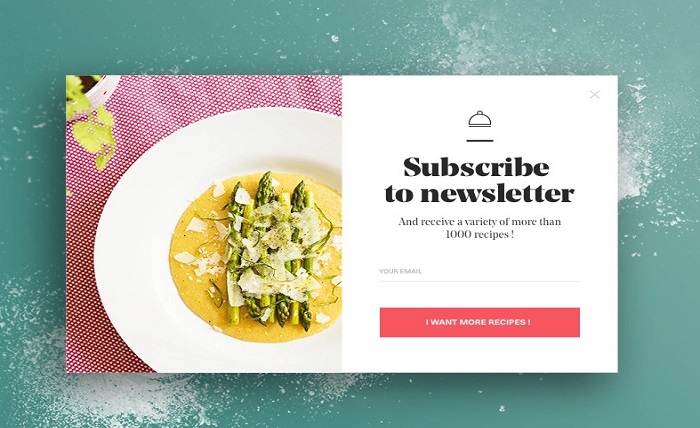
The term lunchnewsletter refers to a newsletter designed to be delivered around lunchtime, providing readers with valuable information, updates, insights, and entertainment during their midday break. A lunchnewsletter can cover a wide variety of topics, including business news, industry trends, lifestyle tips, productivity hacks, marketing insights, technology updates, and more.
Many organizations use a lunchnewsletter as a strategic communication tool because lunchtime is often when people have a few minutes to check emails and consume content. Unlike newsletters sent early in the morning or late in the evening, a lunchnewsletter arrives at a time when readers are more relaxed and receptive.
The popularity of the lunchnewsletter format has grown significantly in recent years as businesses seek more effective ways to connect with their audiences. By providing concise, engaging, and relevant content, a lunchnewsletter can help increase open rates, click-through rates, and overall audience engagement.
Why LunchNewsletter Is Important for Modern Businesses
A well-crafted lunchnewsletter plays a crucial role in modern digital marketing strategies. Businesses constantly compete for attention in crowded inboxes, and sending a lunchnewsletter at the right time can help improve visibility and engagement.
One of the biggest advantages of a lunchnewsletter is its ability to reach subscribers during a natural break in their workday. Readers often use lunchtime to catch up on industry news, read articles, or discover useful resources. A compelling lunchnewsletter can become part of this routine.
Additionally, a lunchnewsletter helps businesses establish authority and credibility within their niche. By consistently delivering valuable information, organizations can position themselves as trusted sources of knowledge. Over time, subscribers begin to look forward to receiving each lunchnewsletter.
Another reason a lunchnewsletter is important is its ability to nurture customer relationships. Instead of focusing solely on sales promotions, a lunchnewsletter can educate, entertain, and inform readers, creating stronger connections and increasing long-term loyalty.
Key Elements of a Successful LunchNewsletter
Creating an effective lunchnewsletter requires careful planning and execution. Several essential elements contribute to the success of a lunchnewsletter.
First, the subject line is critical. A strong subject line encourages readers to open the lunchnewsletter. It should be concise, relevant, and intriguing enough to capture attention without appearing misleading.
Second, the content of a lunchnewsletter should be valuable and easy to consume. Since readers may only have a few minutes available, articles, tips, and updates should be presented in a clear and organized format.
Third, visual design matters significantly in a lunchnewsletter. Clean layouts, readable fonts, and attractive images enhance the reading experience. A cluttered lunchnewsletter can discourage engagement and reduce effectiveness.
Another important component of a lunchnewsletter is personalization. Tailoring content based on subscriber interests increases relevance and encourages stronger engagement. Personalized recommendations can make a lunchnewsletter feel more meaningful to readers.
Finally, every lunchnewsletter should include a clear call to action. Whether encouraging readers to visit a website, read an article, register for an event, or make a purchase, a clear objective helps maximize the impact of the lunchnewsletter.
How to Create an Effective LunchNewsletter Strategy
Developing a successful lunchnewsletter strategy begins with understanding your audience. Before creating content, businesses should identify subscriber interests, preferences, and pain points. This knowledge helps shape a lunchnewsletter that resonates with readers.
Content planning is another critical aspect of a lunchnewsletter strategy. Establishing a content calendar ensures consistency and helps maintain a regular publishing schedule. Consistency is essential because subscribers expect a reliable lunchnewsletter experience.
Segmentation can significantly improve the performance of a lunchnewsletter. By dividing subscribers into different groups based on demographics, behavior, or interests, businesses can send more targeted and relevant content.
Testing and optimization also play an important role in a lunchnewsletter strategy. Marketers should experiment with subject lines, layouts, content formats, and sending times to determine what works best. Continuous improvement helps maximize the effectiveness of a lunchnewsletter.
Analytics provide valuable insights into lunchnewsletter performance. Monitoring metrics such as open rates, click-through rates, and conversions helps businesses refine their approach and create more impactful campaigns.
Benefits of Using LunchNewsletter for Audience Engagement
A major benefit of a lunchnewsletter is its ability to maintain regular communication with subscribers. Consistent contact keeps brands visible and helps strengthen relationships over time.
Another advantage of a lunchnewsletter is increased website traffic. By including links to blog posts, resources, and landing pages, businesses can drive readers to their websites and encourage further engagement.
A lunchnewsletter can also improve customer retention. When subscribers consistently receive valuable information, they are more likely to remain engaged with a brand. This ongoing connection can contribute to higher customer loyalty and satisfaction.
Brand awareness is another key benefit of a lunchnewsletter. Every edition reinforces the company’s identity, values, and expertise. Over time, readers associate the lunchnewsletter with reliable and useful content.
Lead generation is also enhanced through a lunchnewsletter. By providing valuable resources and compelling calls to action, businesses can convert subscribers into leads and eventually customers.
Furthermore, a lunchnewsletter offers a cost-effective marketing solution. Compared to many advertising channels, email marketing delivers a high return on investment, making the lunchnewsletter a valuable tool for organizations of all sizes.
Best Practices for Writing LunchNewsletter Content
Writing engaging lunchnewsletter content requires a balance between information and readability. Since subscribers often read a lunchnewsletter during short breaks, content should be concise and easy to understand.
A successful lunchnewsletter often begins with a compelling introduction that immediately communicates value. Readers should quickly understand why the content is relevant to them.
Using short paragraphs and clear formatting improves the readability of a lunchnewsletter. Bullet points, subheadings, and highlighted sections help readers scan content efficiently.
Storytelling can make a lunchnewsletter more engaging. Sharing real-life examples, customer success stories, or industry insights adds personality and helps readers connect with the content.
Consistency in tone and branding is essential for a lunchnewsletter. Whether the style is professional, conversational, or educational, maintaining a consistent voice helps strengthen brand recognition.
A high-quality lunchnewsletter should also prioritize relevance. Every article, update, or recommendation included in the newsletter should provide meaningful value to subscribers.
Finally, proofreading is critical. Errors can undermine the credibility of a lunchnewsletter, so content should always be reviewed before distribution.
Common Mistakes to Avoid When Creating a LunchNewsletter
While a lunchnewsletter can be highly effective, several common mistakes can reduce its impact. One frequent issue is sending overly promotional content. Subscribers expect value, and a lunchnewsletter that focuses only on sales messages may lead to lower engagement.
Another mistake is inconsistent scheduling. Readers appreciate reliability, and an irregular lunchnewsletter schedule can weaken audience trust and reduce open rates.
Poor design is another challenge. A lunchnewsletter that appears cluttered or difficult to read may discourage subscribers from engaging with the content.
Ignoring analytics is also a common error. Without reviewing performance metrics, businesses may miss opportunities to improve their lunchnewsletter strategy.
Sending irrelevant content can negatively affect subscriber satisfaction. A successful lunchnewsletter should always align with audience interests and expectations.
Finally, failing to optimize for mobile devices can significantly reduce the effectiveness of a lunchnewsletter. Since many readers check emails on smartphones, mobile-friendly design is essential.
The Future of LunchNewsletter Marketing
The future of lunchnewsletter marketing looks promising as email continues to be one of the most effective digital communication channels. Advances in technology are making it easier for businesses to personalize and automate their lunchnewsletter campaigns.
Artificial intelligence is expected to play a major role in shaping the future of the lunchnewsletter. AI-powered tools can analyze subscriber behavior, recommend content, and optimize sending times for better results.
Interactive elements are becoming increasingly popular in the lunchnewsletter format. Polls, surveys, quizzes, and dynamic content can enhance engagement and create more memorable experiences.
Data-driven decision-making will continue to improve lunchnewsletter performance. Businesses that leverage analytics effectively can create more relevant and impactful content.
As inbox competition grows, authenticity and value will become even more important. The most successful lunchnewsletter campaigns will focus on providing meaningful information rather than overwhelming subscribers with promotional messages.
Ultimately, the lunchnewsletter will remain a powerful tool for building relationships, sharing knowledge, and driving business growth.
Conclusion
A lunchnewsletter is far more than a simple email update. It is a strategic communication tool that helps businesses engage audiences, build trust, increase brand awareness, and drive meaningful results. By understanding audience needs, creating valuable content, maintaining consistent delivery, and continuously optimizing performance, organizations can maximize the effectiveness of their lunchnewsletter campaigns. As digital communication evolves, the lunchnewsletter will continue to be an essential component of successful marketing strategies.
FAQs
1. What is a lunchnewsletter?
A lunchnewsletter is an email newsletter typically delivered around lunchtime, providing readers with valuable information, updates, insights, and engaging content.
2. Why is a lunchnewsletter effective?
A lunchnewsletter is effective because it reaches subscribers during a break in their day when they are more likely to engage with content.
3. How often should a lunchnewsletter be sent?
The frequency of a lunchnewsletter depends on audience preferences, but many businesses send it weekly or daily to maintain consistent engagement.
4. What content should be included in a lunchnewsletter?
A lunchnewsletter can include industry news, educational articles, company updates, tips, case studies, promotions, and curated resources.
5. How can I improve my lunchnewsletter performance?
You can improve lunchnewsletter performance by using compelling subject lines, personalizing content, optimizing for mobile devices, and analyzing engagement metrics regularly.