Introduction
The question, “gyaras kab hai”, resonates deeply within Hindu households, marking a day of profound spiritual significance. “Gyaras” is the Hindi term for the eleventh day (Ekadashi) of the lunar fortnight, a day dedicated to the worship of Lord Vishnu. This day is observed twice every month—once during the waxing phase and once during the waning phase of the moon . For devotees, knowing gyaras kab hai is essential for planning prayers, observing fasts, and participating in rituals that promise spiritual upliftment, the cleansing of sins, and the attainment of divine grace. This guide delves into the significance of this sacred day, provides answers to gyaras kab hai, and explains the rituals associated with it.
The Spiritual Significance of “Gyaras” or Ekadashi
Understanding gyaras kab hai goes beyond just marking a date on the calendar; it is about connecting with a timeless spiritual tradition. The day of Ekadashi is considered highly auspicious because it is believed that Lord Vishnu’s divine energies are especially potent on this day . Fasting on gyaras is a powerful act of devotion. According to scriptures, observing a fast on this day helps cleanse one’s sins, leads a person on a path of spirituality, and assists in attaining ‘moksha’ or liberation . The underlying spiritual principle is that the mind, when freed from the complexities of food and worldly indulgences, can focus more easily on the divine. This makes asking gyaras kab hai a crucial first step in planning this spiritual discipline.
Gyaras Kab Hai in 2026: A Complete Date List
The question gyaras kab hai is a recurring one, and for 2026, devotees have a full calendar of opportunities to observe this holy day. A total of 24 Ekadashis are observed in a standard year, with the possibility of extra ones in leap years . While gyaras kab hai is generally the same, the specific date can vary based on the sunrise and the lunar tithi (lunar day). Here is a comprehensive list of gyaras kab hai dates for 2026 :
January 2026
-
Shattila Ekadashi – January 14
-
Jaya Ekadashi – January 29
February 2026
-
Vijaya Ekadashi – February 13
-
Amalaki Ekadashi – February 27
March 2026
-
Papmochani Ekadashi – March 15
-
Kamada Ekadashi – March 29
April 2026
-
Varuthini Ekadashi – April 13
-
Mohini Ekadashi – April 27
May 2026
-
Apara Ekadashi – May 13
-
Padmini Ekadashi – May 27
June 2026
-
Parama Ekadashi – June 11
-
Nirjala Ekadashi – June 25
July 2026
-
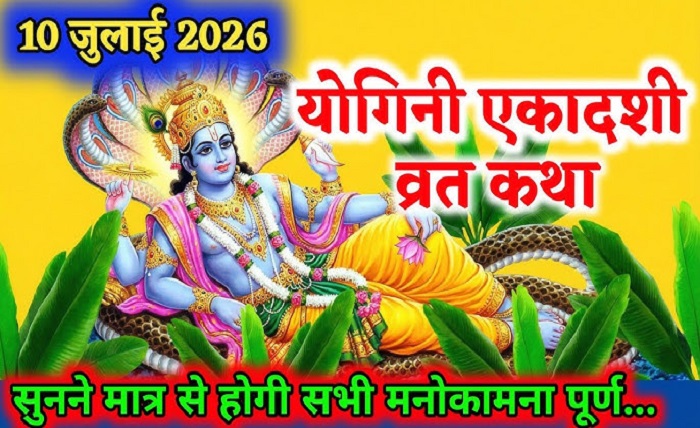
Yogini Ekadashi – July 10
-
Devshayani Ekadashi – July 25
August 2026
-
Kamika Ekadashi – August 9
-
Shravana Putrada Ekadashi – August 23
September 2026
-
Aja Ekadashi – September 7
-
Parivartini Ekadashi – September 22
October 2026
-
Indira Ekadashi – October 6
-
Papankusha Ekadashi – October 22
November 2026
-
Rama Ekadashi – November 5
-
Devutthana Ekadashi – November 20
December 2026
-
Utpanna Ekadashi – December 4
-
Mokshada Ekadashi – December 20
What Makes an Ekadashi Special? Key Examples
While gyaras kab hai is a monthly query, some Ekadashis are especially significant. Understanding these dates helps answer gyaras kab hai with greater context.
Devshayani (Shayani) Ekadashi
When you ask gyaras kab hai in June-July, one of the most significant answers is Devshayani Ekadashi. This marks the day Lord Vishnu begins his four-month-long cosmic slumber, known as Chaturmas . It falls on the eleventh day of the bright fortnight of the Ashadha month. A fascinating legend links this day to King Mandata, who was advised by sage Angiras to observe a fast on Devshayani Ekadashi to end a severe drought in his kingdom. Upon observing the fast, the kingdom was blessed with rain . In Maharashtra, this day is celebrated with the Ashadi Ekadashi Wari, where thousands of pilgrims walk to Pandharpur .
Nirjala Ekadashi
Another crucial answer to gyaras kab hai is Nirjala Ekadashi, which falls in May-June. This is the most rigorous of all fasts, where devotees abstain from both food and water. It is believed that observing this one fast with complete devotion yields the same merit as observing all other 24 Ekadashis in the year .
Vaikuntha Ekadashi
For many, the most important answer to gyaras kab hai is Vaikuntha Ekadashi, usually falling in December or January. It is believed that on this day, the doors of Vaikuntha (the abode of Lord Vishnu) are thrown open to devotees. Fasting on this day is believed to be equivalent to fasting on all other Ekadashis and grants liberation .
How to Determine the Exact Date: The Calculation of Gyaras
The exact answer to gyaras kab hai is not always straightforward, as the date is determined by the Vedic lunar calendar. The fasting day is often governed by the “Arunodaya Viddhi” principle. This means the Ekadashi tithi must be present during the Brahma Muhurta, the auspicious period about 96 minutes before sunrise . If the Ekadashi tithi starts after sunrise, the fast is observed on the following day (Dwadashi), making it a Mahadvadashi . This is why even if you think you know gyaras kab hai, it is essential to check the local Panchang (Hindu calendar) for accurate dates.
How to Observe the “Gyaras” Fast (Vrat)
Once you know gyaras kab hai, the next step is to understand the rituals. Here’s a simple guide:
-
Preparation: Wake up early during Brahma Muhurta, take a bath, and clean the house. Chant the name of Lord Vishnu .
-
Sankalpa: Take a vow to observe the fast with devotion, seeking the blessings of Lord Vishnu.
-
Puja: Offer prayers to Lord Vishnu, along with Goddess Lakshmi. Offerings can include fruits, flowers (especially yellow flowers), and incense. Chanting the Vishnu Sahasranama is highly recommended .
-
Fasting Rules: Most fasts abstain from all grains, beans, cereals, onions, and certain spices. Some devotees observe a complete fast (Nirjala, without water), while others may eat only fruits and milk (Phalahar) .
-
Parana: The fast is broken the next day after sunrise, within a specific time frame (Parana time) . This is usually done by consuming Prasadam.
Conclusion
The question gyaras kab hai is a testament to the enduring faith of millions who seek the divine grace of Lord Vishnu. Understanding gyaras kab hai is more than just knowing a date; it is the key to unlocking a powerful spiritual practice that promises inner purification, material prosperity, and the ultimate goal of salvation. Whether it is the start of Lord Vishnu’s slumber on Devshayani Ekadashi or the rigorous discipline of Nirjala Ekadashi, each occurrence of gyaras offers a sacred opportunity to connect with the divine and cleanse one’s soul. By incorporating the dates and rituals provided in this guide into your spiritual routine, you ensure that you are always prepared for this holy day, making every gyaras a step closer to the divine.
FAQs
Q1: What does the term “Gyaras” literally mean?
A1: ‘Gyaras’ is the Hindi colloquial term for ‘Ekadashi’, which translates to the eleventh day of the lunar fortnight.
Q2: I know the date for ‘gyaras kab hai’, but when exactly should I break the fast?
A2: The fast, or Parana, should be broken on the next day (Dwadashi) during a specific auspicious time (Parana Muhurat). It is important to check your local Panchang for the exact Parana timing. It should be done after sunrise and within a particular window .
Q3: Why is the date of ‘gyaras’ different even though I look up ‘gyaras kab hai’ online?
A3: The dates can vary depending on the region, the specific Panchang (calendar) followed, and the principle of Arunodaya Viddhi. The fast is observed on the day when the Ekadashi tithi is present during the Brahma Muhurta. This is why it’s best to check a reliable local source to confirm ‘gyaras kab hai’ for your area .
Q4: Is fasting on ‘gyaras’ mandatory for everyone?
A4: No, fasting is a personal choice and an act of devotion. While it is highly recommended, those who are unwell, elderly, or have specific health conditions are often exempt. The intention and devotion behind the observance are more important than the strictness of the fast.
Q5: What is the best way to find ‘gyaras kab hai’ for the entire year?
A5: You can find the complete list in this blog post above, or you can refer to annual Panchangs (Hindu calendars) published by religious organizations like ISKCON or various temples. Many websites and mobile apps also provide detailed monthly listings for ‘gyaras kab hai’ .