Introduction
Har Ghar Bijli is one of India’s most impactful initiatives aimed at ensuring that every household has access to electricity. The vision behind Har Ghar Bijli is simple yet powerful: no family should live in darkness. Electricity is a basic necessity in modern life, and Har Ghar Bijli has helped millions of families improve their quality of life through better lighting, communication, education, and economic opportunities.
The success of Har Ghar Bijli has contributed significantly to rural development across the country. By expanding power infrastructure and improving connectivity, Har Ghar Bijli has become a symbol of progress and inclusive growth.
What Is Har Ghar Bijli?
Har Ghar Bijli is a government-led initiative focused on providing electricity connections to all households, especially in rural and remote areas. The primary goal of Har Ghar Bijli is to eliminate energy poverty and ensure equal access to electricity regardless of location.
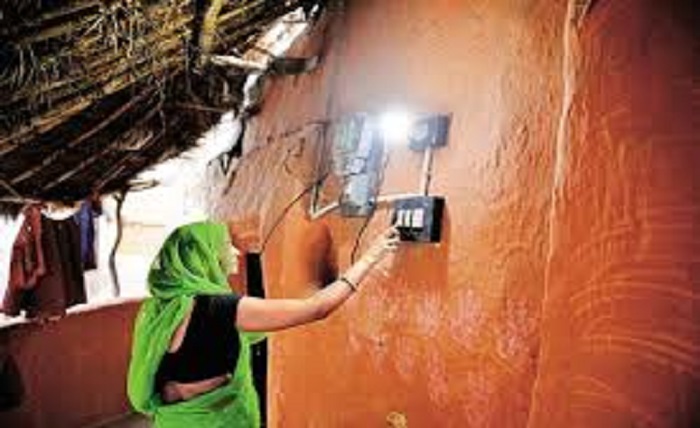
Under Har Ghar Bijli, households that previously relied on kerosene lamps or other traditional energy sources received electricity connections. The initiative aims to improve living standards while supporting education, healthcare, and local businesses.
The implementation of Har Ghar Bijli involves coordination between central and state governments, electricity distribution companies, and local communities. Through this collaborative effort, Har Ghar Bijli has achieved remarkable milestones in electrification.
Objectives of Har Ghar Bijli
The key objectives of Har Ghar Bijli extend beyond simply providing power connections. The program is designed to create long-term social and economic benefits.
One major objective of Har Ghar Bijli is universal household electrification. Every family deserves access to reliable electricity, and Har Ghar Bijli seeks to ensure that no household is left behind.
Another objective of Har Ghar Bijli is improving educational opportunities. Students can study after sunset, access digital learning tools, and improve academic performance because of Har Ghar Bijli.
Economic development is also a crucial goal of Har Ghar Bijli. Electricity enables small businesses, supports agriculture, and creates employment opportunities. Through these efforts, Har Ghar Bijli contributes to poverty reduction and rural prosperity.
Benefits of Har Ghar Bijli for Rural Communities
The impact of Har Ghar Bijli on rural communities has been transformative. Access to electricity has changed daily life in countless villages across India.
One significant benefit of Har Ghar Bijli is improved lighting. Families can perform household activities safely and comfortably during the evening hours. Better lighting through Har Ghar Bijli also enhances productivity and security.
Healthcare services have improved because of Har Ghar Bijli. Rural clinics can operate medical equipment, store vaccines, and provide better patient care. The availability of electricity under Har Ghar Bijli has strengthened healthcare delivery in many regions.
Agriculture has also benefited from Har Ghar Bijli. Farmers can use electric pumps for irrigation and access modern farming technologies. As a result, Har Ghar Bijli supports increased agricultural productivity and income generation.
Har Ghar Bijli and Educational Development
Education is one of the sectors that has gained the most from Har Ghar Bijli. Access to electricity creates a more favorable learning environment for students.
Before Har Ghar Bijli, many students struggled to study at night due to inadequate lighting. With electricity connections provided through Har Ghar Bijli, children can now dedicate more time to their education.
Digital education has expanded because of Har Ghar Bijli. Schools and households can use computers, internet services, and online learning resources. The technological opportunities enabled by Har Ghar Bijli help bridge the urban-rural education gap.
Teachers also benefit from Har Ghar Bijli, as educational institutions can use projectors, digital content, and other learning tools. Consequently, Har Ghar Bijli plays an essential role in improving educational outcomes.
Economic Impact of Har Ghar Bijli
The economic impact of Har Ghar Bijli is substantial. Reliable electricity creates opportunities for entrepreneurship, employment, and local economic growth.
Many small businesses have emerged due to Har Ghar Bijli. Shop owners can extend operating hours, while local enterprises can use electrical equipment to improve productivity. These developments demonstrate how Har Ghar Bijli stimulates economic activity.
Women entrepreneurs have particularly benefited from Har Ghar Bijli. Access to electricity enables home-based businesses and income-generating activities. Through these opportunities, Har Ghar Bijli contributes to women’s economic empowerment.
The growth of rural industries has also been supported by Har Ghar Bijli. Improved infrastructure attracts investment and encourages economic diversification. As a result, Har Ghar Bijli helps create sustainable livelihoods.
Challenges Faced by Har Ghar Bijli
Despite its success, Har Ghar Bijli has encountered several challenges. Reaching remote and geographically difficult areas remains a significant obstacle.
Infrastructure development under Har Ghar Bijli requires substantial investment and technical expertise. In some regions, maintaining power lines and ensuring uninterrupted supply can be difficult.
Another challenge for Har Ghar Bijli is ensuring reliable electricity after connections are established. While household electrification is important, consistent power availability is equally essential.
Consumer awareness also plays a role in the effectiveness of Har Ghar Bijli. Households must understand safe electricity usage and energy conservation practices to maximize the benefits of Har Ghar Bijli.
Future of Har Ghar Bijli in India
The future of Har Ghar Bijli looks promising as India continues to strengthen its power infrastructure. The next phase of Har Ghar Bijli focuses on improving reliability, affordability, and sustainability.
Renewable energy integration is expected to enhance Har Ghar Bijli in the coming years. Solar power, wind energy, and decentralized energy systems can complement traditional electricity networks.
Smart technologies may also improve Har Ghar Bijli. Smart meters, digital monitoring systems, and efficient energy management solutions can help optimize electricity distribution.
As India moves toward a more sustainable future, Har Ghar Bijli will remain a critical component of national development. Continued investment and innovation will ensure that Har Ghar Bijli delivers long-term benefits for generations to come.
Conclusion
Har Ghar Bijli represents a major milestone in India’s journey toward inclusive development and universal access to essential services. By providing electricity to millions of households, Har Ghar Bijli has improved education, healthcare, economic opportunities, and overall quality of life.
The achievements of Har Ghar Bijli demonstrate the power of infrastructure development in transforming communities. While challenges remain, the continued expansion and improvement of Har Ghar Bijli will help create a brighter and more prosperous future for all citizens.
FAQs
1. What is Har Ghar Bijli?
Har Ghar Bijli is an initiative aimed at providing electricity connections to every household, particularly in rural and underserved areas.
2. Why is Har Ghar Bijli important?
Har Ghar Bijli is important because it improves living standards, supports education, enhances healthcare services, and promotes economic growth.
3. How does Har Ghar Bijli help students?
Har Ghar Bijli provides reliable lighting and access to digital learning tools, enabling students to study more effectively.
4. What are the economic benefits of Har Ghar Bijli?
Har Ghar Bijli supports small businesses, creates employment opportunities, and encourages entrepreneurship in rural communities.
5. What is the future of Har Ghar Bijli?
The future of Har Ghar Bijli includes improved reliability, renewable energy integration, and advanced technologies for efficient power distribution.